How Data-Driven Planning Is Transforming Modern Construction Projects
The construction industry has traditionally relied on experience, manual calculations, and historical project data to guide decision-making. While these methods remain valuable, modern construction projects are becoming increasingly complex, requiring greater precision, efficiency, and cost control. As a result, data-driven planning has emerged as a critical strategy for improving project outcomes.
Today, contractors, developers, architects, and project managers use advanced technologies and analytical tools to make informed decisions throughout the construction lifecycle. From budgeting and scheduling to resource allocation and risk management, data has become one of the most valuable assets in the industry.
The Rise of Data in Construction
Construction projects generate large amounts of information every day. Site reports, labor productivity records, material costs, equipment performance metrics, and project timelines all contribute to a growing pool of data. Modern software platforms can collect, organize, and analyze this information, allowing project teams to identify trends and improve decision-making.
The ability to access accurate information in real time helps stakeholders reduce uncertainty and respond quickly to changing project conditions. Instead of relying solely on assumptions, teams can use measurable insights to plan more effectively and avoid costly mistakes.
Improving Budget Accuracy
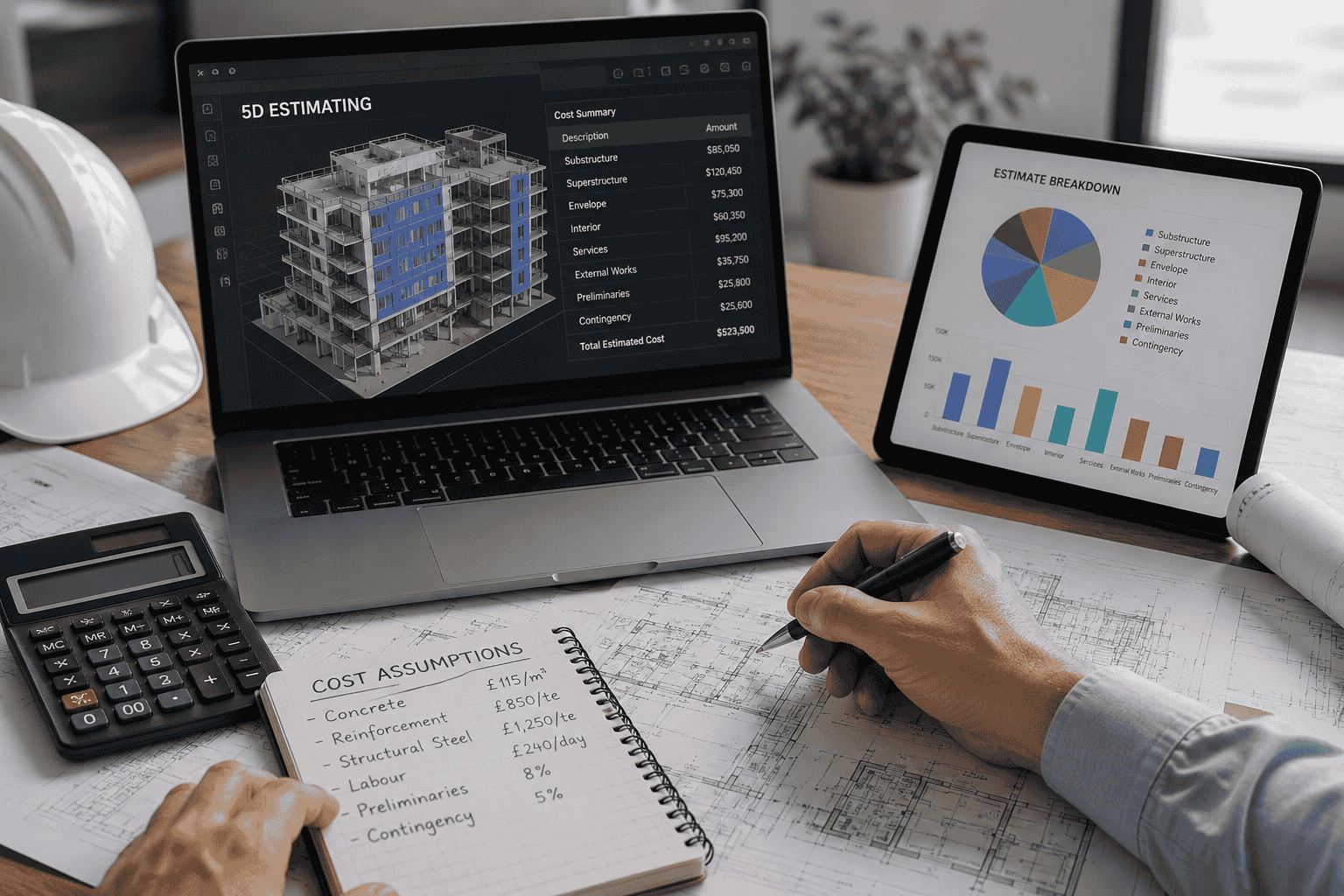
One of the biggest challenges in construction is maintaining budget control. Unexpected expenses can quickly impact profitability and delay project completion. Data-driven planning helps organizations create more realistic budgets by analyzing historical project costs, market pricing trends, and resource requirements.
Many firms now use a professional Construction estimation service to gather accurate cost projections before work begins. By leveraging detailed data and industry benchmarks, project teams can establish reliable budgets that reduce financial risks and improve client confidence.
Enhancing Project Scheduling
Project delays remain a common issue across the construction sector. Weather disruptions, material shortages, labor constraints, and unforeseen site conditions can all affect project timelines.
Data analytics allows project managers to identify potential bottlenecks before they become serious problems. Historical performance data can reveal patterns that help teams create more realistic schedules and allocate resources efficiently. Predictive planning tools can also forecast possible delays, enabling managers to implement preventive measures early in the process.
As a result, projects are more likely to stay on schedule and meet stakeholder expectations.
Better Resource Management
Effective resource management is essential for construction success. Labor, equipment, and materials must be available at the right time and in the right quantities. Poor planning often leads to wasted resources, increased costs, and reduced productivity.
Data-driven systems provide greater visibility into resource utilization. Project managers can monitor equipment performance, track workforce productivity, and analyze material consumption patterns. These insights help organizations optimize resource allocation and reduce inefficiencies across multiple projects.
Improved resource management not only saves money but also contributes to more sustainable construction practices.
Supporting Industrial Development
Large-scale industrial projects require a particularly high level of planning and accuracy. Manufacturing facilities, warehouses, energy plants, and infrastructure developments involve significant investments and complex operational requirements.
To improve project forecasting and budgeting, many organizations rely on specialized industrial estimating services in canada that provide detailed cost assessments tailored to industrial construction environments. These services help decision-makers evaluate project feasibility and maintain better financial control throughout execution.
Risk Reduction Through Analytics
Risk management is another area where data-driven planning delivers significant value. Construction projects face numerous risks, including cost overruns, safety incidents, regulatory challenges, and supply chain disruptions.
By analyzing historical project records and industry trends, organizations can identify recurring risk factors and develop mitigation strategies. Predictive analytics can highlight potential issues before they escalate, allowing teams to take corrective action proactively.
This approach creates a safer and more controlled project environment while improving overall project performance.
Technology Driving the Change
Several technologies are accelerating the adoption of data-driven planning in construction:
Building Information Modeling (BIM)
BIM enables project teams to create detailed digital representations of buildings and infrastructure. These models improve collaboration, reduce design conflicts, and support better planning throughout the project lifecycle.
Cloud-Based Project Management Platforms
Cloud solutions provide centralized access to project data, allowing stakeholders to collaborate efficiently regardless of location. Real-time updates improve communication and decision-making across teams.
Artificial Intelligence and Machine Learning
AI-powered systems can analyze large datasets and identify patterns that humans may overlook. These technologies help predict project outcomes, optimize schedules, and improve cost forecasting accuracy.
Internet of Things (IoT)
Connected devices and sensors collect valuable information from construction sites. This data can be used to monitor equipment health, track site conditions, and improve operational efficiency.
The Future of Construction Planning
As digital transformation continues, data-driven planning will become even more important for construction organizations. Companies that invest in analytics, automation, and technology-driven decision-making are likely to gain a competitive advantage in an increasingly demanding market.
Future developments may include more advanced predictive models, greater integration of artificial intelligence, and expanded use of real-time monitoring systems. These innovations will help construction professionals make faster, smarter, and more informed decisions.
Conclusion
Data-driven planning is reshaping the construction industry by improving budgeting, scheduling, resource management, and risk mitigation. By leveraging accurate information and advanced technologies, construction professionals can achieve better project outcomes while reducing uncertainty and inefficiencies.
As the industry continues to evolve, organizations that embrace data as a strategic asset will be better positioned to deliver successful projects, enhance profitability, and meet the growing expectations of clients and stakeholders.
Post a comment